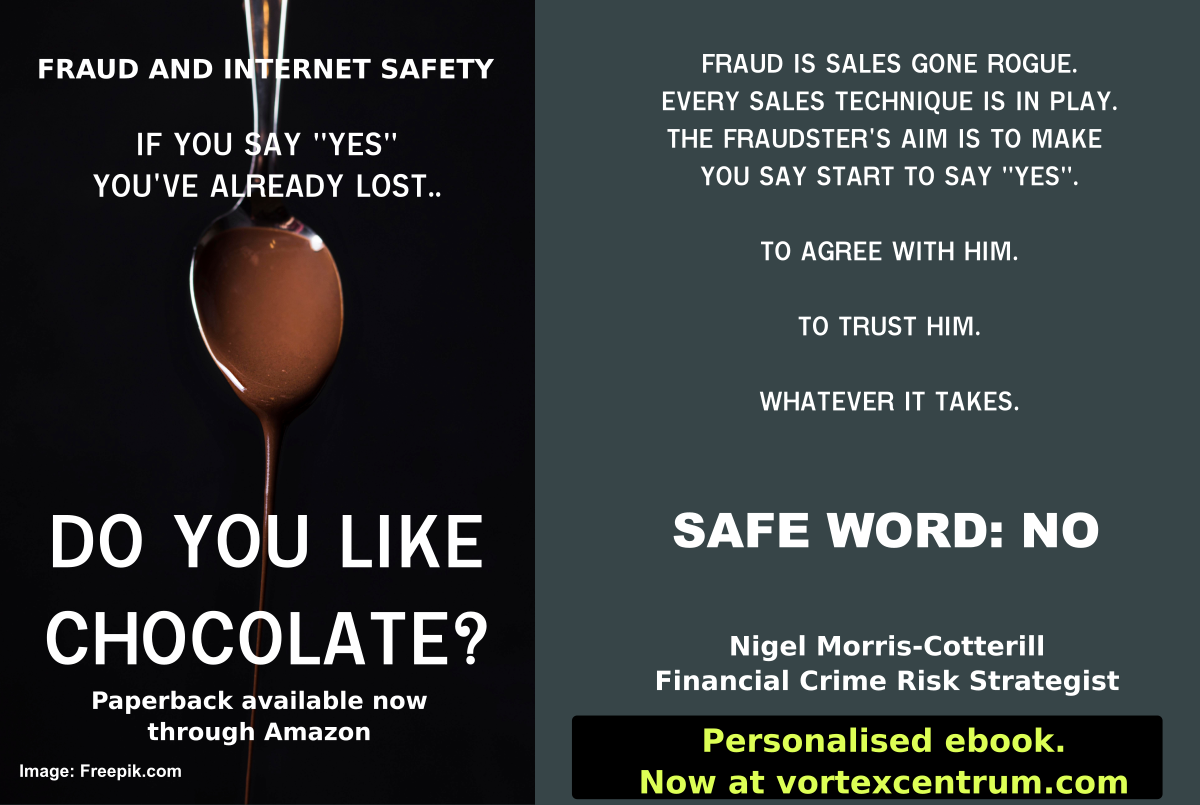
AUS warns people that some criminals lie.
This is the text of an email sent by the Australian Consumer and Competition Commission's National Anti-Scam Centre today.
29 April 2025
Criminals use 'account compromise' scams to scare Australians and steal their money or cryptocurrency
29 Apr 2025The National Anti-Scam Centre has seen a significant rise in financial criminals targeting Australians in phishing scams that scare people to believe that their bank accounts or cryptocurrency wallets have been hacked or compromised.
These scams use a sense of urgency and fear to make people act quickly and use phrases such as ‘account compromised’, ‘unauthorised’ or ‘suspicious transactions’, or ‘you’ve been hacked’ to deceive individuals into granting access to their accounts to steal money or cryptocurrency.
From 1 January to 23 March 2025, the National Anti-Scam Centre’s Scamwatch service received over 16,700 reports of phishing scams, resulting in losses of $11.1 million. This is an increase of over 200 per cent in financial loss compared to the same period in 2024.
Notably, over 75 per cent of these losses relate to cryptocurrency phishing scams with criminals targeting the six million Australians who own cryptocurrency.
Major cryptocurrency platforms Swyftx and CoinSpot, who have a combined Australian customer base of 2.8 million, are helping combat scammers by newly partnering with the National Anti-Scam Centre to share data on scams.
“This type of scam often works by creating a sense of urgency. Criminals can achieve this very effectively given many Australians are already on high alert that they have been caught up in a data breach or concerned about scams and cyber threats,” ACCC Deputy Chair Catriona Lowe said.
“Tragically it’s this very sense of urgency that enables the scam.”
“We found an increase in money lost when these scams involve claims that cryptocurrency accounts or wallets have been compromised,” Ms Lowe said.”
“Scammers often impersonate cryptocurrency platforms and warn people about suspicious activity on their accounts. They then pressure people to transfer their holdings to fraudulent cryptocurrency wallets.”
“We are pleased that Swyftx and CoinSpot have recently signed up to data sharing arrangements on scams with the National Anti-Scam Centre,” Ms Lowe said.
“We encourage businesses to talk to us about how they can help protect Australians by entering a data sharing arrangement with us. The intelligence shared can provide early warning of new scam types as well as data crucial to disruption.”
Phishing scams are typically received via phone call, text message or email. The most common way people were contacted was when they were sent a text message alerting them to ‘suspicious activity’ or ‘account compromise’ which prompted them to log in via a malicious link or to call a number.
Some messages copy the SMS SenderID of a trusted organisation to add legitimacy to the scam, meaning the scam message would appear with other legitimate messages in the thread.
“We urge consumers to stop and check when they receive messages claiming to be from trusted authorities, especially if they relate to a crypto, superannuation or a bank account,” Ms Lowe said.
“It is important consumers never click on links in text or email message that asks for login or password details and only log into accounts directly through the official website or app.”
Top tips to avoid scams
* STOP. Do not click on any links in emails or text messages, even if they say there has been suspicious activity on your account.
* CHECK. Do not rush to act. If you think an organisation is really trying to contact you, go to their official website or app and log in there. Alternatively, contact them by phone or email using details you find on their website.
* PROTECT. Set up multi-factor authentication so you receive an email or text message every time someone tries to log in to your accounts. Never share these passcodes with anyone else
The tips are good and common sense is the best weapon in relation to fraud. And the data-sharing system seems to be a million times better than that in the UK. But the language explaining how the frauds work is pedantic and lacks any engagement.